
High Demand for Landscapers Continues
The landscaping industry is experiencing an unprecedented boom in 2026. Increasing awareness about environmental sustainability and urban development is fueling this demand. As more people recognize the aesthetic and ecological benefits of green spaces, structural design services are increasingly sought after. Properties, both residential and commercial, are leveraging professional outdoor styling to enhance curb appeal and support eco-friendly initiatives.
Promoting Sustainable Environments
As environmental consciousness grows, more individuals and businesses are turning to professional design firms to incorporate green spaces into their surroundings. Landscapes not only beautify but also offer ecological benefits like carbon sequestration and habitat provision for biodiversity. Public and private sectors actively promote the creation of these zones to address climate changes. As these trends strengthen, the demand for skilled landscapers is expected to continue rising sharply.
Expanding Urban Gardens
Urban gardening projects are sprouting in cities across the globe, contributing significantly to the sector's growth. Community gardens and rooftop farms are becoming popular as urban areas seek to introduce green spaces in innovative ways. These innovative projects require the specialized expertise of professional landscapers to design, install, and maintain. By integrating gardens into urban infrastructures, they help promote food security and community well-being.
Boosting Real Estate Values
The real estate market's growth directly contributes to the escalating demand for external design services. As more properties are developed, there is a parallel need to create appealing outdoor environments. Landscaped properties have higher market value and are more attractive to potential buyers. Thus, real estate developers increasingly invest in professional design to maximize property appeal and profitability.
Developing Commercial Spaces
The continual expansion of commercial properties necessitates an increase in corporate grounds maintenance. Office parks, malls, and hotels seek appealing exterior designs to attract tenants and customers. The aesthetics of these spaces play a vital role in influencing business activity and consumer behavior. Experts are therefore enlisted to design spaces that not only look inviting but also reflect company brands and missions.
Reimagining Outdoor Living
The focus on home spaces has shifted significantly, leading to an enhanced focus on functional outdoor areas. As homes become primary venues for recreation and socialization, the need for functional layouts gains priority. Property projects have increased as homeowners invest in gardens and patios to improve their living environments. Recognizing these long-term benefits, the ongoing trend toward residential improvements sustains demand for dedicated landscapers.
Installing Smart Systems
Smart irrigation systems represent a major advancement in property care, enhancing water efficiency and minimizing environmental impact. These systems use sensors and timers to ensure optimal watering schedules, adjusting automatically based on weather conditions and plant needs. By conserving water, they can contribute to sustainable property practices while reducing operational costs, aligning directly with global sustainability goals.
Deploying Aerial Drones
Drones have become an essential tool in modern property management, offering aerial perspectives that enrich planning and execution processes. They facilitate detailed site analyses, allowing modern landscapers to make informed decisions on project design. With precise data collection and mapping capabilities, drones streamline surveying, leading to more efficient and accurate site construction.
Automating Lawn Maintenance
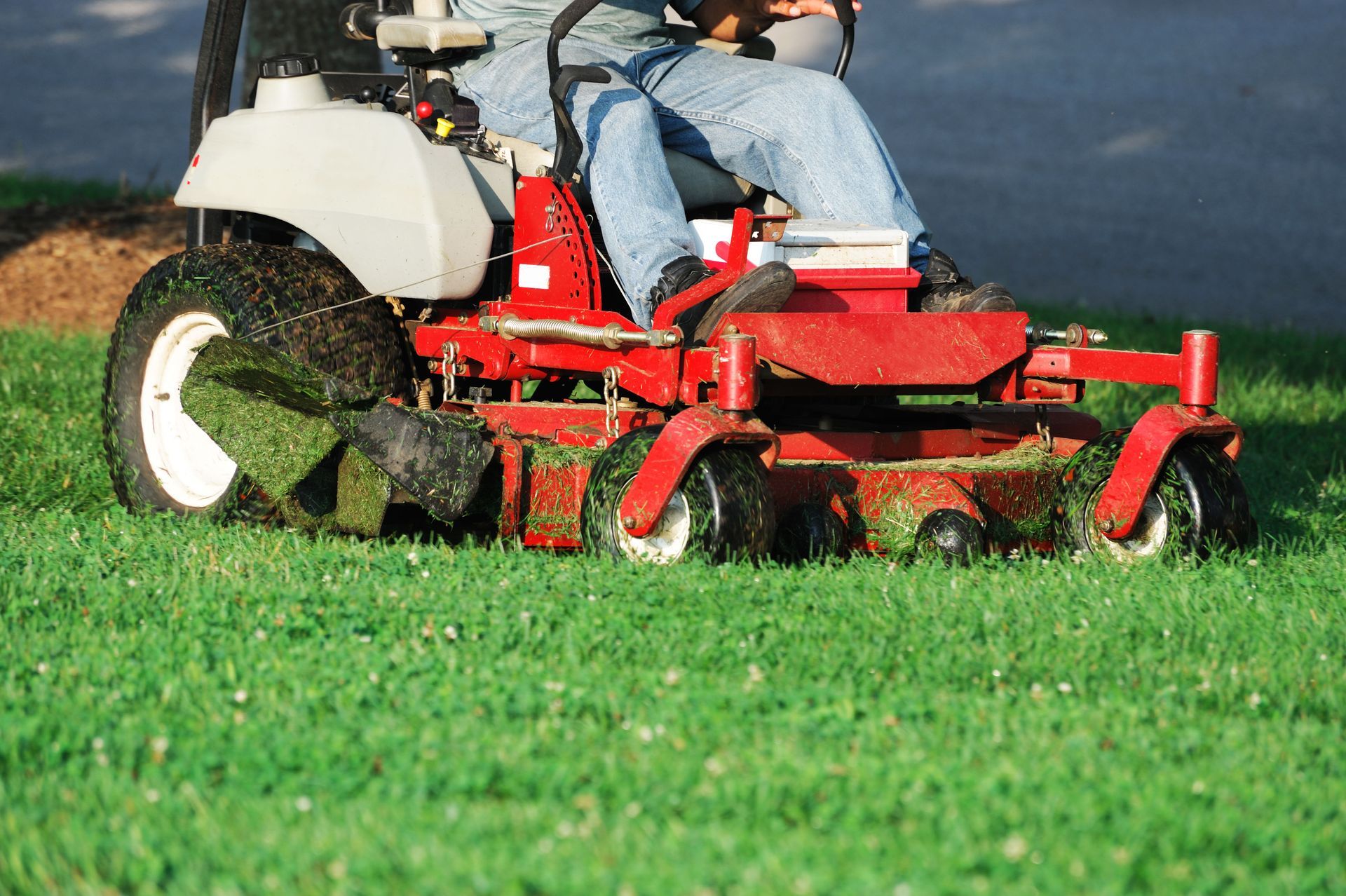
Robotic lawn mowers are revolutionizing turf maintenance, providing automated and precision-based care for properties. These devices are designed to manage grass cutting autonomously, reducing human labor and time investment. By offering consistent and high-quality maintenance, robotic mowers increase client satisfaction and enhance landscape health, illustrating how automation is advancing traditional yard care.
Advancing Digital Layouts
With advancements in landscape design software, professionals are able to create more detailed and realistic digital models. These tools aid in conceptualizing projects, improving communication with clients through visualizations and simulations. By allowing for precise planning and changes, this software reduces project risks and enhances customer trust before ground is broken.
Selecting Eco-Friendly Materials
As environmental concerns grow, the demand for eco-friendly building materials is increasing substantially. Products such as recycled composites, porous paving, and drought-resistant plants are reshaping sustainable landscape practices. Clients are increasingly looking for designs that emphasize low environmental impact, resource sustainability, and long-term ecological preservation.
Supporting Regional Biodiversity
Property design plays a crucial role in supporting and enhancing biodiversity in varied environments. By incorporating native plants and design elements that create habitats, yards become vibrant ecosystems. These green spaces offer essential resources and refuges for wildlife, contributing to ecological balance as urbanization intensifies, making professional intervention imperative.
Cultivating Community Spaces
The creation of community gardens and green spaces aids in building cohesive and engaged neighborhoods. These areas foster a sense of belonging, encouraging collective ownership and participation among community members. Designers contribute significantly by planning and maintaining these spaces, ensuring they meet community needs and ecological goals.
Mitigating Urban Heat
Strategic exterior planting is an effective strategy for combating the urban heat island effect, a common issue in densely built cities. Through strategic planting and material choices, green zones lower temperatures by providing shade and facilitating evaporative cooling. Green spaces effectively absorb sunlight, reducing heat build-up and contributing to cooler urban environments.
Managing Natural Water
Sustainable water management is a pivotal aspect of modern property layout, addressed through innovative design and technology. Techniques such as rain gardens and permeable pavements manage stormwater intelligently, preventing runoff and resource wastage. Smart irrigation systems integrate into these designs, optimizing water use and supporting long-term conservation efforts.
Addressing Workforce Shortages
Despite the sector's growth, the property service industry faces significant challenges in labor shortages and skill gaps. According to Jobber, the industry employs more than 1.2 million landscapers and continues to demand more workers. These shortages are exacerbated by an aging workforce and shifting career preferences among younger generations, requiring new training initiatives.
Navigating Volatile Weather
The property services industry is inherently dependent on weather conditions, making it vulnerable to climate change impacts. Extreme weather events, such as heavy rainfall and prolonged droughts, can disrupt daily operations and damage ongoing projects. Professionals must adapt to these changes by adopting more resilient and sustainable survival practices.
Capturing Sustainable Opportunities
The rise of eco-consciousness brings abundant opportunities for landscapers specializing in organic maintenance. As clients prioritize environmental considerations, services that incorporate eco-friendly elements are in high demand. Professionals can leverage techniques such as native planting, organic maintenance, and water conservation to appeal to sustainability-minded consumers.
Scaling Franchise Networks
Franchising offers a strategic growth avenue for the industry, pooling operational resources and leveraging established brand recognition. Entrepreneurs gain from proven business models, support systems, and immediate market presence, reducing financial risk while supporting rapid expansion and uniform service delivery.
Driving Future Innovations
Innovation continues to propel the property service industry forward, creating room for structural growth and diversification. By adopting new technologies and sustainable practices, firms can enhance service offerings and expand their customer base, allowing professionals to meet evolving consumer expectations.
The demand for professional design services is set to continue growing, driven by environmental awareness, urban development, and technological advancements. While challenges like staffing shortages and high overhead exist, the potential for innovation and market expansion remains robust. As professionals navigate this evolving market, adaptation and creativity will be key to harnessing sustainable growth. Looking ahead, the industry stands at the forefront of ecological and social transformation, poised to impact communities and environments positively. If you are ready to elevate your property's outdoor aesthetic with premium design and maintenance, contact J.P. Callahan Landscaping to schedule a consultation today.
Share On: